
Blue Ridge Lactation- Lactation Consultant Lynchburg, VA

Meet a Lynchburg Lactation Consultant Supporting New Families
Hey friends. If we’ve met during a newborn session, you know I’m passionate about helping those early weeks feel calmer, more supported, and more connected.
One thing I clearly remember as a new mom is how feeding felt harder than I expected. Whether you’re pregnant and preparing or already in the thick of it, you’re not alone. That’s why I invited Jessica Smith, an International Board-Certified Lactation Consultant, to share simple, practical adjustments that can make a meaningful difference.
Jessica serves families in Forest, Bedford, Lynchburg, and Campbell County through in-home visits, office appointments, and virtual support. She’s a former Mother-Baby nurse, a homeschool mom, and a baseball fan who brings calm, compassionate, and completely nonjudgmental care to families. Whether you’re nursing, pumping, bottle-feeding, or combination feeding, her goal is to help you find what works best for your baby and your family.
I hope this conversation helps you feel encouraged, informed, and less alone in your feeding journey.
Ready for practical support? Here’s our Q&A with Jessica Smith, an International Board-Certified Lactation Consultant
What led you to becoming a lactation consultant and what keeps you passionate about this work?
My own breastfeeding journey did not start out easy. At the time, I was a Mother-Baby nurse, and I thought I had it all figured out — but I didn’t know what I didn’t know.
After a very difficult delivery, I was exhausted and had a very sleepy, jaundiced baby. I was told he needed supplementation or he might require phototherapy. I was scared. I wanted to do what was best for my baby, but we were struggling to latch. The hospital where I delivered didn’t have lactation support available, so the nurses did the best they could to help me.
When we got home, I was overwhelmed. My baby still wasn’t latching well, my milk was delayed, and we had to begin formula. I was never told to pump to help bring my milk in, which created a cascade of challenges.
That experience is what led me to become a lactation consultant. I wanted to help families get the best possible start — ideally beginning prenatally — so they feel prepared, supported, and confident from the very beginning.
What keeps me passionate is watching families go from feeling overwhelmed and unsure to feeling calm, confident, and connected with their baby. That shift is really special to witness, and it’s why I love this work so much.
Why is lactation support so important in those first few weeks after baby arrives?
Those early weeks can feel like a lot. Parents are recovering from birth, learning their baby, feeding around the clock, and adjusting emotionally — all at the same time.
Having lactation support adds another person to your team. A lactation consultant becomes your cheerleader, someone who encourages you, answers questions, normalizes what you’re experiencing, and helps create a plan that works for your family.
Those first weeks are also when milk supply is being established, so the guidance and reassurance during that window can make a big difference long-term.
Those early weeks can feel like a lot. Parents are recovering from birth, learning their baby, feeding around the clock, and adjusting emotionally — all at the same time.
Having lactation support adds another person to your team. A lactation consultant becomes your cheerleader, someone who encourages you, answers questions, normalizes what you’re experiencing, and helps create a plan that works for your family.
Those first weeks are also when milk supply is being established, so the guidance and reassurance during that window can make a big difference long-term.
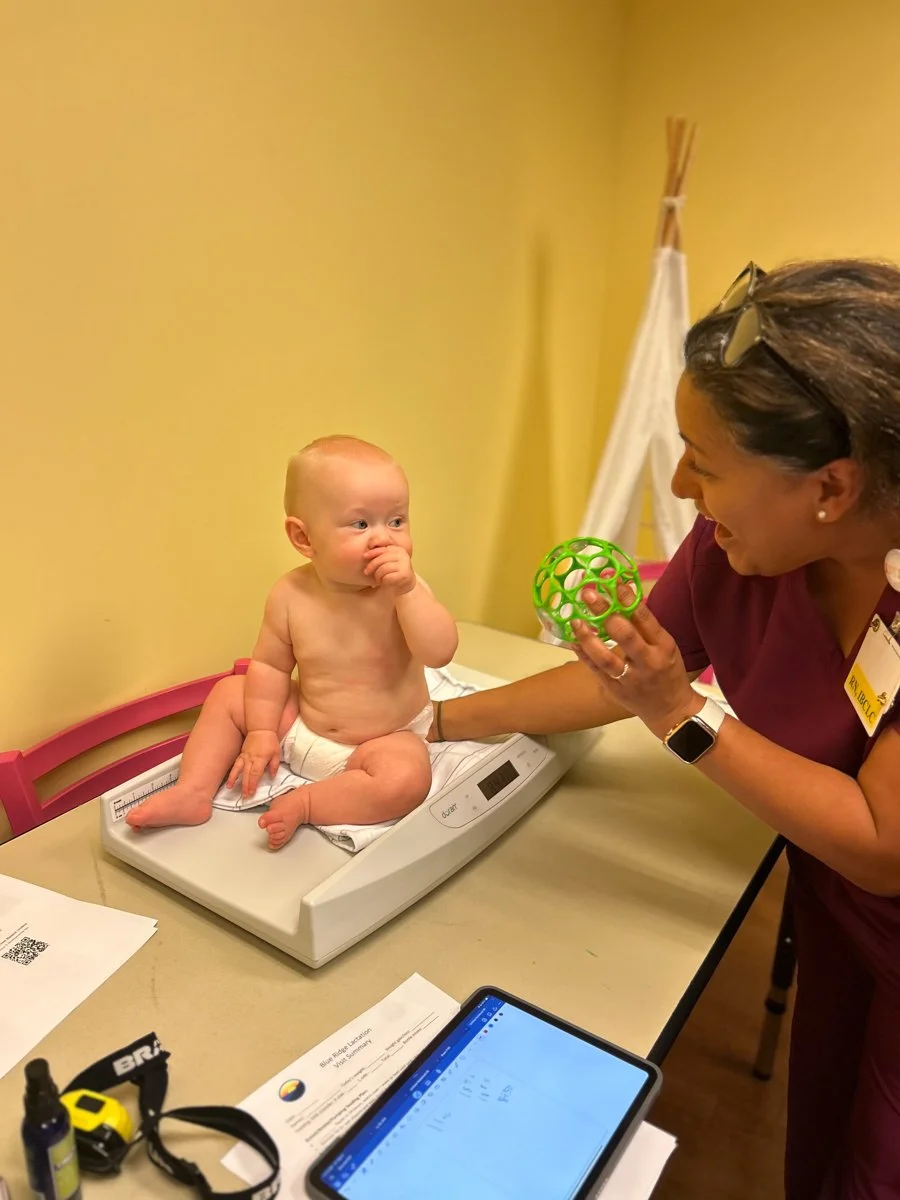
What changes do you see when parents get support early versus waiting?
Early support is very empowering. Parents learn what’s normal, what to watch for, and how to troubleshoot if something feels off. They gain confidence and feel more in control of their feeding journey.
When families wait until things feel overwhelming, it can be harder emotionally and sometimes physically to work through challenges. Getting support early often prevents bigger problems later and helps parents feel more confident from the start
How does personalized lactation care help both baby and parent thrive?
Personalized care focuses on the whole family — not just feeding itself.
Every parent and baby pair is different. Medical history, birth experience, baby’s temperament, family goals, and lifestyle all matter. A plan for a premature or jaundiced baby will look very different from a full-term baby with no complications.
There is no one-size-fits-all approach. Lactation care should be individualized so it truly supports both baby and parent in a way that works for them.
Why doesn’t breastfeeding always feel “natural” without guidance?
Babies are born with feeding instincts, but they’ve also just come from a warm, cozy environment — and adjusting to the outside world takes time. Latching and positioning while recovering from birth can honestly feel like an Olympic sport — or a game of Twister. Both parent and baby are learning together. Support helps normalize that learning curve and reassures parents that needing help doesn’t mean something is wrong — it just means you’re learning something new together.
How can lactation support prevent bigger challenges down the road?
Lactation support provides a roadmap for the feeding journey — from prenatal preparation through weaning. By addressing questions early, supporting milk supply, and helping families navigate transitions like bottle introduction or returning to work, we often prevent challenges that might otherwise arise. It’s always easier to build a strong foundation than to fix problems later.
What would you say to a parent who is hesitant to reach out for help?
I would encourage parents to think of lactation support as another tool in their parenting toolbox. We prepare for birth with classes, supplies, and plans — feeding support deserves to be on that list too. Getting help doesn’t mean something is wrong. It simply means you’re giving yourself and your baby extra support.
What Support Looks Like
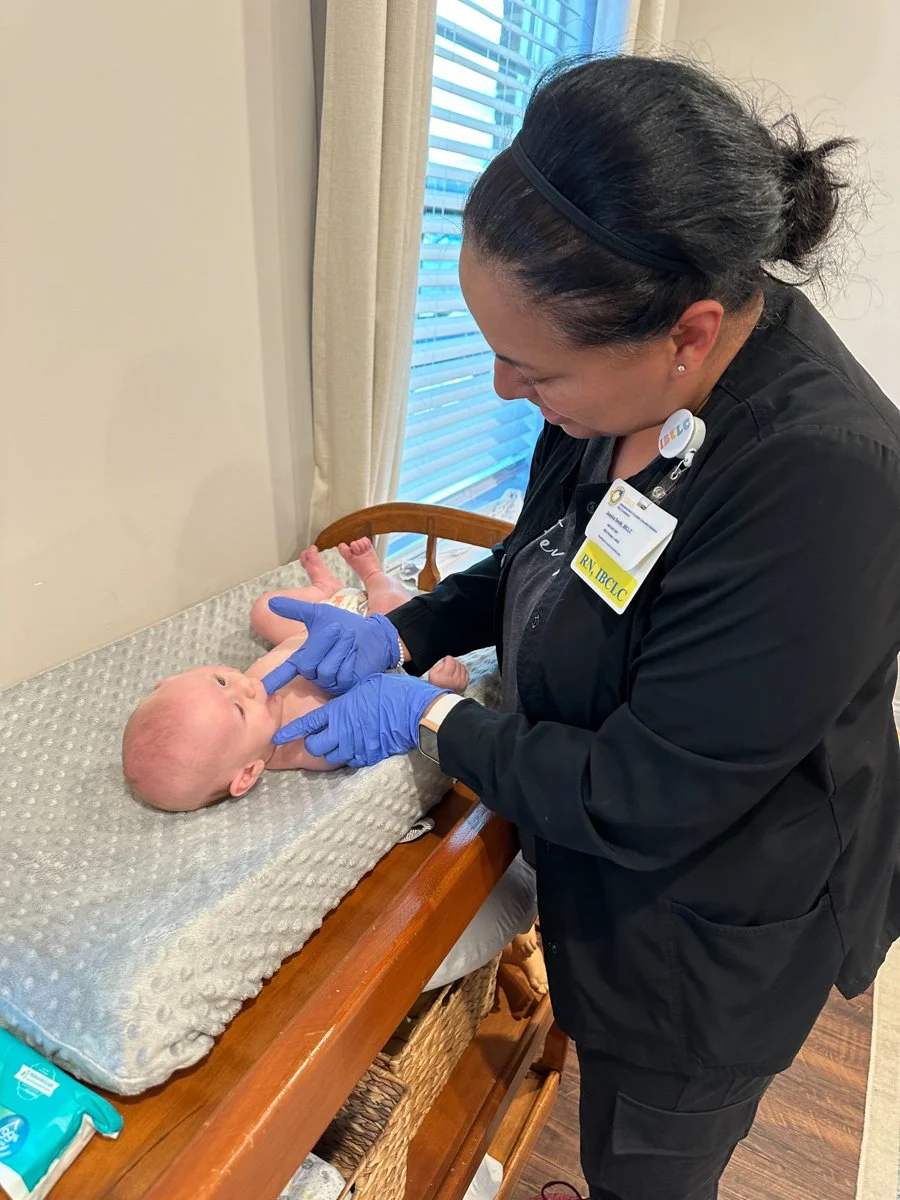
For a brand-new parent who feels overwhelmed, what does lactation support actually look like with you?
I try to keep things simple and supportive. I often meet with families prenatally to go over common questions, troubleshooting, and breastfeeding basics. After the baby arrives, I like to see families within the first few days at home to assess feeding and provide hands-on support.
I create individualized care plans and stay in close contact afterward so parents continue to feel supported as things progress.
What are the top three things you wish every parent knew before baby arrives?
1. Learn hand expression. This is one of the best safety nets in the early days. It allows you to provide milk to your baby and protect your supply while you’re both learning. It can be incredibly helpful if baby is sleepy, struggling to latch, or needs a little extra support in those first days.
2. Order your breast pump during pregnancy — and get a flange fitting a few weeks postpartum. Even if you don’t think you’ll use your pump often, it’s helpful to have it ready and know how it works before you actually need it. Unexpected separations can happen, and having it available can reduce a lot of stress. Flange size (the part that goes around the nipple) matters much more than most people realize. A good fit improves comfort, milk removal, and overall supply — whether you pump occasionally or regularly.
3. Understand what normal newborn feeding looks like.Frequent feeding, cluster feeding, and wanting to be close to you are all normal in the early weeks. Knowing this ahead of time can reduce worry and help parents feel more confident.
What essentials should parents have ready for those first feeding days?
You’re probably thinking about baby products with this question, but some of the most important essentials in those early days are actually the things that support you.
Many parents expect this to be about baby products, but some of the most important essentials early on are actually the things that support the parent.
Having meals prepared ahead of time can make recovery much easier and supports healing and milk production. Fresh air, a little sunlight each day, and clear communication with your support system also make a big difference. Feeling supported emotionally matters just as much as physical recovery.
From a practical standpoint, having your favorite snacks ready, having a good nipple balm for comfort while you and baby are learning, and plenty of burp cloths can be helpful. I also encourage parents to set up a comfortable feeding station with water, snacks, and anything they may need within reach — taking care of yourself is part of taking care of your baby.
Real-Life Transitions
Back-to-work planning: When should parents start practicing with bottles, setting pump schedules, and building a milk stash?
Around 4–6 weeks is usually a good time to begin introducing a bottle and adding pumping sessions.
This timing allows breastfeeding to become more established first and avoids adding extra work during the earliest postpartum weeks. It also gives parents time to build confidence before returning to work.
What is your favorite myth to bust about breastfeeding, pumping, or combo feeding?
One of my favorite myths to bust is that you need special foods or supplements to create a good milk supply.
Our bodies are designed to make milk. Milk production begins around 18-20 weeks in pregnancy and increases after birth with frequent and effective milk removal.
A good latch and regular milk removal are the biggest drivers of supply. Supplements can sometimes help, but they should be considered carefully with lactation guidance.
What is one simple, practical way a partner can support feeding this week?
Help the parent rest. This can look different for every family — caring for the baby between feeds, bringing snacks and water, helping with household tasks, or offering encouragement. Learning your partner’s love language and meeting that need can make a big difference in how supported they feel.For example, my personal love language is acts of service. When someone helps take care of things around the house — even something simple like tackling a pile of dishes — it allows me to truly rest and not feel mentally overwhelmed. That kind of support can make a huge difference during the postpartum period.Feeding a baby is a journey — and like most parts of parenting, it doesn’t have to be done alone. Whether things are going smoothly or feel harder than you expected, support can make a meaningful difference.

Jessica, thank you for sharing your knowledge and heart so generously. Your work truly helps families feel calmer and more confident during one of the biggest transitions of their lives.
If you’re reading this and thinking, “I could use this kind of guidance,” please know you don’t have to figure it out alone. Blue Ridge Lactation offers in-home, office, and virtual consultations, making it easier to get personalized, practical help wherever you feel most comfortable.
And when you’re ready to preserve these tiny, fleeting days through photography, I would be honored to serve your family. During newborn sessions, we move at your baby’s pace, pause for feedings, and create space for the genuine, connected moments you’ll treasure forever.
Visit Blue Ridge Lactation’s website or email jesslc@blueridgelactation.net to get feeding support from a Lactation Consultant serving Lynchburg, Forest, and Bedford: Blue Ridge Lactation.
Mama, you are doing an incredible job. You deserve care, encouragement, and a village around you.
